Guides
Magazine copy editing: a practical guide to clean, accurate copy
Magazine copy editing guide covering scope, accuracy questions, clarity, consistency, quotations, numbers, names, style, display copy, queries, and proofs.
What to take away
- Agree on the editing level before changing the manuscript.
- Read once for meaning before editing sentence by sentence.
- Query factual uncertainty instead of polishing it into authority.
- Check headlines, captions, pull quotes, and metadata with the body.
- Preserve the author's meaning and keep an auditable change record.
Copy editing prepares an accepted manuscript for publication. It addresses clarity, grammar, usage, consistency, house style, factual warning signs, cross-references, and package text. It does not replace structural editing, independent fact-checking, legal review, or proofreading, though smaller teams may assign one person several clearly separated passes.
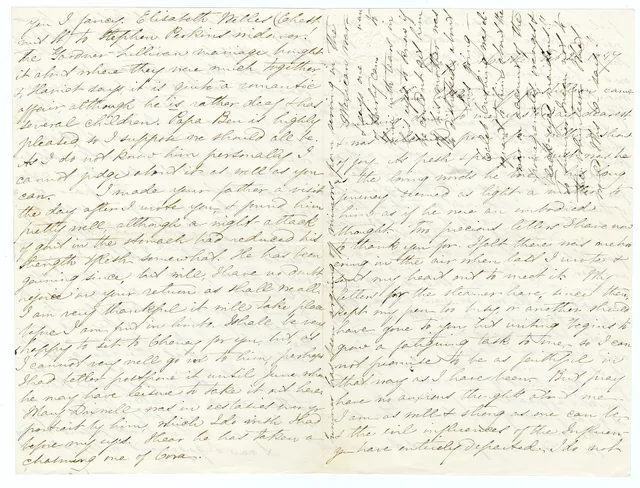
Photo and credit
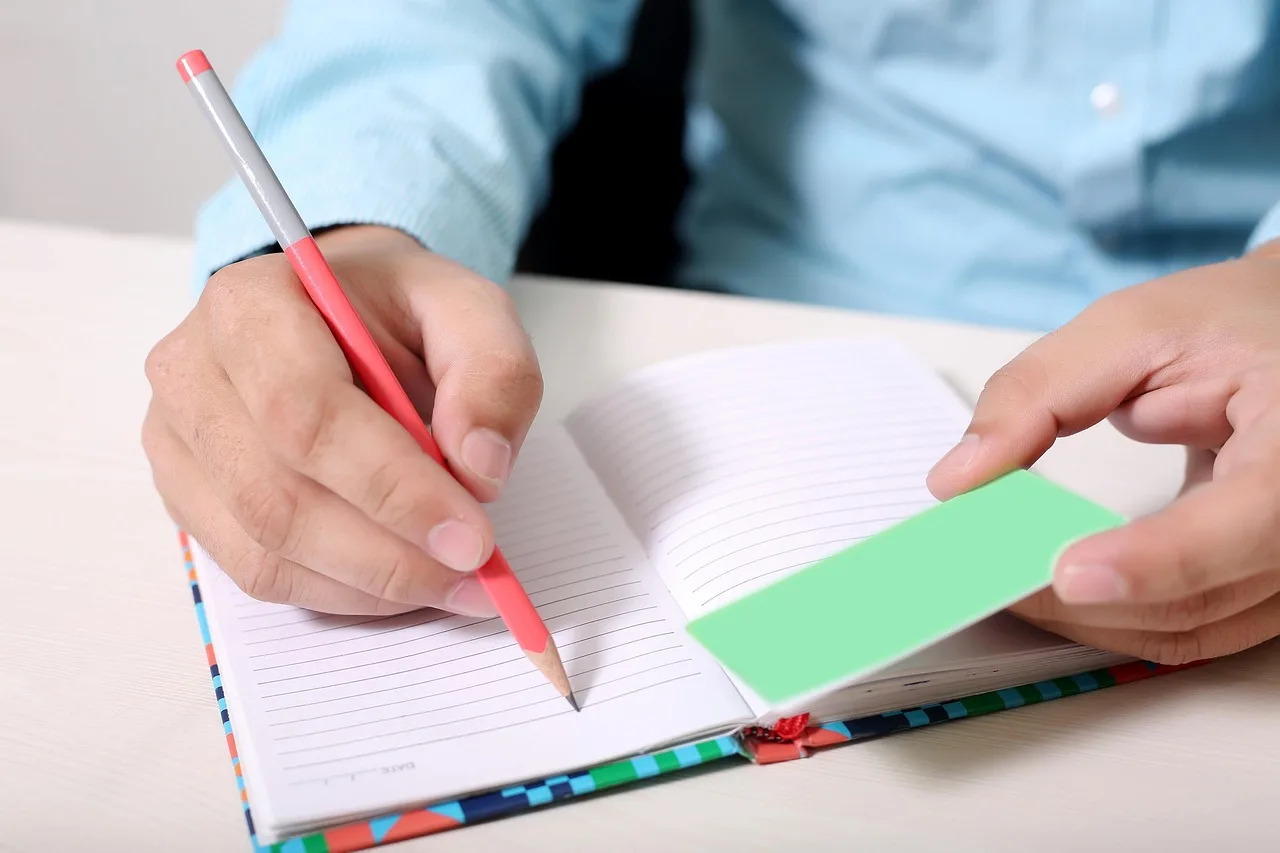
The photograph illustrates visible edits. Its marks are not presented as a professional notation model.
Set the editing brief
Record the audience, publication, channel, house style, language variety, word limit, due date, author-query route, fact-check responsibility, legal or sensitivity review, and authority to rewrite. Identify material that must remain verbatim, such as quotations, titles, legal names, and cited text.
Editing brief checklist
- Audience and publication
- Channel and house style
- Language variety and word limit
- Due date and author-query route
- Fact-check responsibility
- Legal or sensitivity review
- Authority to rewrite
Use tracked changes or another reviewable method for substantive edits. A quiet correction to spelling is different from recasting a claim, changing tone, or removing a qualification. Flag changes that alter meaning even when the new sentence reads smoothly.
Read before touching the copy
On the first pass, summarize the article's focus and note unclear logic, missing definitions, abrupt shifts, unsupported superlatives, suspicious dates, inconsistent numbers, and material that contradicts another section. Do not start with commas. A sentence can be grammatically correct and still be false, unfair, or misplaced.
Poynter's guidance on making copy easier to fact-check recommends agreeing on backup requirements, recording full source details, annotating facts, and supplying page-level references. These practices let the copy editor raise precise queries rather than asking the writer to reconstruct an entire reporting trail.
Edit in controlled passes
| Pass | Main questions |
|---|---|
| Meaning | Does each sentence say what the evidence supports? |
| Structure | Do sections arrive in a logical, useful order? |
| Clarity | Are subjects, verbs, references, and relationships explicit? |
| Consistency | Do names, terms, numbers, capitalization, and dates agree? |
| Style | Does the copy follow house decisions without sounding mechanical? |
| Package | Do headline, deck, captions, labels, and metadata stay accurate? |
Avoid editing quotations into words the source did not say. A dropped word may be harmless, but a grammatical repair can change voice or meaning. When exact wording is distracting or unclear, paraphrase accurately outside quotation marks or ask the assigning editor how the publication handles the case.
Write useful author queries
A query should name the problem, locate it, and request the needed decision or evidence. "Check this" is weak. "The chart says 18 percent, while paragraph six says 18 percentage points. Which measure does the source report?" gives the writer a clear task. Keep tone neutral and do not bury a factual question inside a stylistic suggestion.
Close the edit
Resolve every query, compare clean and marked versions, and run searches for known trouble patterns. Check the final package in layout because line breaks, pull quotes, captions, and late headlines create new errors. Hand proofreading a stable version is still necessary after the copy edit.
The CIEP's answers on copyediting and proofreading explain why. Once you copy-edit a document, it becomes much easier to skip the sort of mistake a proofreader would catch. One pair of eyes is not enough.
The same page describes the proof as the supposedly final version on which last corrections are marked before publication. That is exactly where a copy editor's unresolved query becomes someone else's guess.
Common questions
Should a copy editor rewrite weak passages?
Within the agreed scope. Query or escalate any rewrite that changes meaning, evidence, voice, or legal risk.
Is house style more important than clarity?
No. Style supports consistency, but it should not produce an awkward or misleading sentence.
Does spell-checking count as proofreading?
It is one aid. It cannot reliably catch wrong names, homophones, missing words, or layout errors.
Who approves the final wording?
The workflow should name that person. High-risk changes may require the writer, assigning editor, or specialist reviewer.
In this guide
- How to fact-check an article claim by claimHow to fact-check an article: number each claim, trace consequential lines to primary records, and decide what the evidence supports before publication.
- Prepublication accuracy checklist: numbers and statisticsPrepublication accuracy checks for numbers: trace each figure to its source, fix units and denominators, read margins of error and recheck headline figures.
- Copy editing and fact-checking problems with practical fixesNine accuracy failures that slip past a clean proof, from sharpened verbs to late headline changes, and the specific check that catches each one.
- Case study: fact-checking a fictional magazine data claimA fictional magazine catches a survey claim that used the wrong denominator, then rewrites the headline, chart and caption to match what the data supports.