Guides
Magazine editorial workflow: a practical guide
Magazine editorial workflow guide covering issue purpose, assignments, reporting, structural edits, fact checks, copy, design, proofs, release, and corrections.
What to take away
- Start every issue with a defined reader promise and editorial scope.
- Give each story one owner, one current brief, and dated decision points.
- Separate structural editing, fact-checking, copy editing, and proof review.
- Review words, images, captions, labels, and page furniture together.
- Preserve approvals and correct material errors after release.
A magazine workflow turns editorial judgment into a repeatable production path. It should make responsibility clear without forcing every feature into the same shape. The editor's job changes across the cycle: develop the idea, test the reporting plan, shape the draft, protect accuracy, coordinate presentation, and authorize release.
Photo and credit
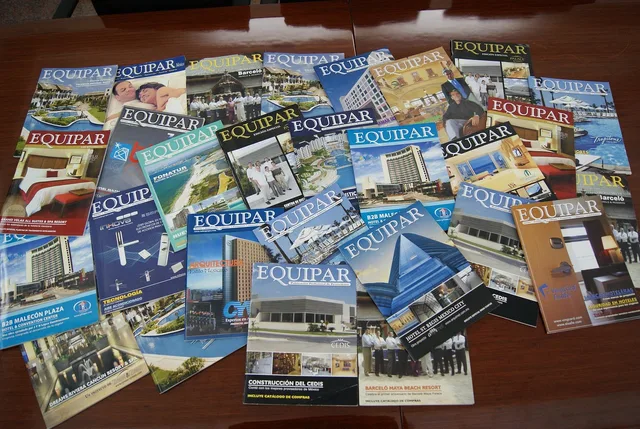
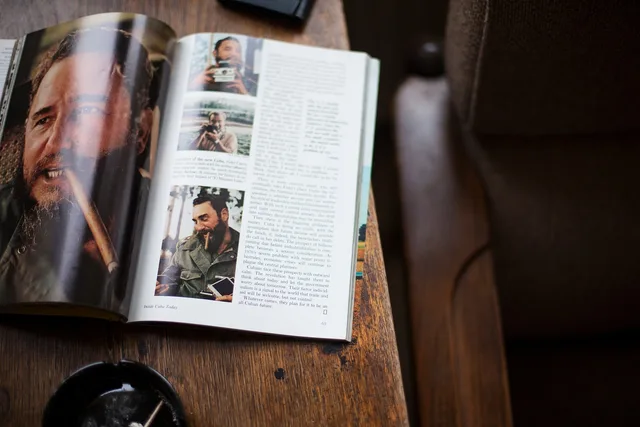
The photograph gives historical context for collaborative editorial work. It does not show this site's staff or the workflow described here.
Define the issue before assigning pages
Write a short issue statement covering audience, subject boundary, tone, publishing date, formats, and exclusions. Add a flatplan or digital inventory with tentative word counts and visual needs. A feature should earn its place by contributing a distinct reader benefit, not by repeating another story with a new headline.
Issue statement essentials
- Audience
- Subject boundary
- Tone
- Publishing date
- Formats
- Exclusions
Each assignment needs a commissioning editor, writer, delivery date, expected length, reporting standard, format, rights expectation, and approval route. Record conflicts and commercial relationships at assignment time rather than at the final proof.
Move stories through named gates
| Gate | Decision | Owner |
|---|---|---|
| Commission | Does the idea fit the issue and audience? | Commissioning editor |
| Reporting check | Is the evidence plan sufficient? | Assigning editor |
| Structural edit | Does the draft deliver the promised story? | Features editor |
| Fact check | Are claims, names, dates, numbers, and quotes supported? | Checker or editor |
| Copy edit | Is the language clear, consistent, and publication-ready? | Copy editor |
| Design review | Do words and visuals work together? | Art and editorial leads |
| Proof | Did production introduce errors or omissions? | Proof owner |
| Release | Are all required approvals and assets complete? | Publishing editor |
Editors Canada's definitions of editorial skills treat structural editing, stylistic editing, copy editing, and proofreading as separate skills with separate outputs. Editors should make every change without altering intended meaning or introducing errors.
Gates named that way stop a copy edit from quietly absorbing a structural decision that belongs to the features editor. They tell a writer which pass may still change the shape of the piece.
Control versions and handoffs
Use one source-of-truth record for status, current file, owner, and deadline. Lock approved copy before layout, then route changes through a named editor. A designer should not have to decide whether late copy is verified. A writer should not receive three conflicting edit files.
At each handoff, state what is complete, what remains open, and who may approve changes. Keep a change log for substantive edits, corrections, image swaps, and altered claims.
Release and learn
After publication, check the live article or printed advance against the approved proof. Record corrections and distribution repairs. Hold an issue review that compares plan with result: missed deadlines, cut pages, repeated topics, weak sources, production errors, and reader response.
The UK government's publishing guidance on managing existing content treats a content audit as routine: find what exists on your topic, check if it still works for users, then decide what to change.
A magazine issue review does the same job on a fixed cycle. That is why it needs a record of what was published, not a discussion of impressions.
Common questions
Does every small magazine need separate editors?
No. One person may hold several roles, but the checks should remain distinct and visible.
When should design begin?
Visual planning begins at commission. Final layout depends on sufficiently stable copy and approved assets.
Can an advertiser review editorial copy?
Editorial independence requires clear limits. Follow the publication's policy and disclose commercial material properly.
What closes the workflow?
Verified release, preserved records, completed corrections, and an issue review with assigned improvements.
In this guide
- How to build a magazine workflow for commissioning briefs, editing and handoffsLearn how to build a magazine workflow: interview staff, inventory content paths, write a commissioning brief, define editorial handoffs and test one issue.
- Magazine editing stages compared: structure, facts, copy, and proofMagazine editing stages compared across developmental editing, structural revision, fact-checking, copy editing, design review, proofreading, and release.
- Magazine editorial release checklist: what to confirm before an issue shipsMagazine release checklist for scope, evidence, edits, conflicts, rights, captions, advertising labels, design proofs, approvals, publication, and corrections.
- Magazine editorial workflow problems and practical fixesEditorial workflow fixes for vague briefs, late structural edits, version conflicts, weak fact checks, hidden advertising, risky handoffs, and proof-stage rewrites.
- Case study: a fictional magazine issue through productionA fictional 64-page quarterly issue follows one story from commissioning brief to proof, showing where late changes are caught and who signs them off.